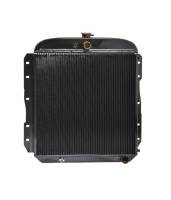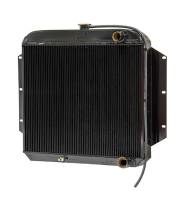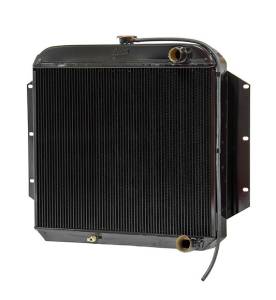
Why Choose Brass and Copper Radiators
Unlike modern aluminum options, brass and copper radiators are designed to replicate original factory components. They are ideal for restorers who want period correct materials and appearance.
Brass tanks combined with copper cores offer excellent thermal conductivity and repairability. These radiators can often be serviced, re-cored, and restored rather than replaced, making them a long term investment.
Key Advantages
- OEM correct look and fit
- Superior heat transfer properties
- Easy to repair and re-core
- Ideal for concours restorations
Many reproduction units are designed to install exactly like original factory radiators using stock mounting points and brackets.
Applications for Impala, Bel Air, and Biscayne
Brass and copper radiators are available for a wide range of full size Chevrolet models from the late 1950s through 1970. These radiators are engineered for specific engine configurations, including inline 6 cylinder and V8 applications.
Vehicle Compatibility
- 1958 to 1970 Chevrolet Impala
- Chevrolet Bel Air full size models
- Chevrolet Biscayne models
- Various engine sizes including small block and big block V8
Many models feature multi row cores, such as 3 row or 4 row designs, to improve cooling capacity while maintaining original dimensions.
Brass vs Copper Radiator Construction
Understanding how brass and copper radiators are built helps you choose the right option for your restoration.
Copper Core
Copper is used for the internal core because it transfers heat efficiently. This allows coolant to release heat quickly as air passes through the radiator fins.
Brass Tanks
Brass is used for the tanks because it is durable and resistant to corrosion. It also allows for easier soldering during repairs or restoration.
Combined Benefits
This combination creates a radiator that is both efficient and serviceable, making it a preferred choice for classic car enthusiasts who prioritize longevity and authenticity.
Restoration vs Replacement
When restoring a classic cooling system, you may choose to refurbish an original radiator or install a reproduction unit.
Restoration
- Retains original factory parts
- Can include cleaning, soldering, or re-coring
- Ideal for matching numbers restorations
Replacement
- Brand new construction with OEM style design
- Direct fit installation with no modifications
- Reliable performance for daily driving
Many reproduction radiators are designed as direct fit components, ensuring proper alignment and easy installation without fabrication.
Performance and Cooling Efficiency
Brass and copper radiators provide excellent cooling for stock and mildly modified engines. Multi row cores increase surface area, allowing more heat to dissipate efficiently.
For higher performance builds or extreme climates, some owners may still consider aluminum upgrades. However, for most classic applications, brass and copper radiators deliver dependable and consistent cooling performance.
Installation and Maintenance Tips
Proper installation and care are essential for maximizing radiator performance and lifespan.
Best Practices
- Flush the system before installation to remove debris
- Use the correct coolant mixture for classic vehicles
- Inspect hoses, clamps, and water pump during installation
- Ensure proper airflow with a fan shroud
Routine maintenance helps prevent corrosion, buildup, and overheating issues.
FAQs: Copper Radiators for Classic Impala, Bel Air, and Biscayne
What makes brass and copper radiators better for classic cars?
Brass and copper radiators are preferred for classic cars because they match original factory materials and design. They also provide excellent heat transfer and can be repaired or re-cored, which is not always possible with aluminum radiators. This makes them ideal for long term restoration projects and maintaining vehicle authenticity.
Are brass and copper radiators more efficient than aluminum?
Copper has higher thermal conductivity than aluminum, which means it transfers heat more effectively. However, aluminum radiators often use larger tubes and modern designs to compensate. For stock classic vehicles, brass and copper radiators provide more than enough cooling capacity.
Can I re-core my original radiator instead of replacing it?
Yes, re-coring is a common restoration process. It involves replacing the internal core while keeping the original tanks and structure. This allows you to maintain originality while improving cooling performance and reliability.
How long do brass and copper radiators last?
With proper maintenance, brass and copper radiators can last decades. Because they are repairable, they often outlast aluminum radiators. Regular coolant changes and inspections are key to maximizing lifespan.
Do these radiators fit without modifications?
Most reproduction brass and copper radiators are designed as direct fit replacements. They use factory mounting points and dimensions, making installation straightforward for classic Impala, Bel Air, and Biscayne models.
What is a 3 row or 4 row radiator?
A row refers to the number of coolant tubes inside the radiator core. More rows increase cooling capacity by providing more surface area for heat exchange. This is especially useful for V8 engines or vehicles driven in hot climates.
Are brass and copper radiators heavier?
Yes, they are typically heavier than aluminum radiators due to material density. However, the added weight is usually minimal and not a concern for most classic car owners focused on authenticity.
What coolant should I use with brass and copper radiators?
Use a high quality coolant designed for classic vehicles, typically ethylene glycol based with corrosion inhibitors. This helps protect internal components and prevents scale buildup inside the radiator.
How do I maintain a brass and copper radiator?
Maintenance includes regular coolant flushes, checking for leaks, inspecting for corrosion, and ensuring proper airflow. Keeping the system clean and properly filled will extend the life of your radiator and improve performance.
When should I replace instead of restore my radiator?
If the radiator has severe corrosion, multiple leaks, or structural damage, replacement may be more cost effective than repair. New reproduction units offer reliable performance while still maintaining an OEM appearance.