Reliable Cooling Solutions for Classic Tri-Five Chevrolets
Maintaining proper engine temperature is critical for enjoying your 1955, 1956, or 1957 Chevrolet without the frustration and potential damage caused by overheating. While Tri-Five styling remains timeless, original cooling systems reflect 1950s technology that often struggles to manage modern traffic conditions, air conditioning loads, or increased engine performance. H&H Classic Parts specializes in both factory-style replacement components and modern cooling system upgrades that keep your Tri-Five running at optimal temperatures regardless of driving conditions.
Our comprehensive cooling system inventory addresses every aspect of thermal management, from radiators and hoses to electric fan conversions and overflow tanks. Whether you're restoring original cooling components to factory specifications or upgrading to modern aluminum radiators with electric fans, we provide the parts and expertise necessary for reliable temperature control in your classic Tri-Five.
Radiator Options for Every Build Philosophy
The radiator represents the heart of your cooling system, and selecting the appropriate radiator depends on your Tri-Five's intended use and performance level. Our inventory includes both traditional brass and copper radiators that replicate original construction and modern aluminum radiators offering superior cooling performance. Each option serves specific needs within the Tri-Five community.
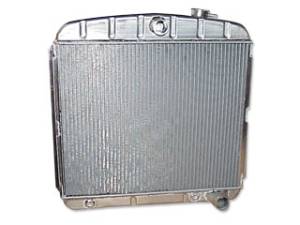
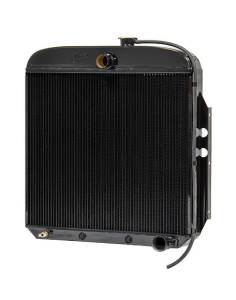
Brass and copper radiators maintain authentic appearance and construction methods preferred by restoration purists and concours enthusiasts. These radiators replicate original core configurations, tank designs, and mounting points while incorporating modern manufacturing quality that often exceeds original equipment durability. They're ideal for stock engine applications and owners prioritizing period-correct authenticity.
Aluminum radiators from manufacturers like Cold Case represent modern cooling technology specifically engineered for classic applications. Aluminum construction provides superior heat transfer efficiency compared to brass and copper, often delivering 25 to 35 percent improved cooling capacity in comparable sizes. This enhanced performance proves particularly valuable for Tri-Fives equipped with air conditioning, performance engines, or those driven in demanding conditions like traffic congestion or high ambient temperatures. Modern aluminum radiators also weigh significantly less than traditional units, benefiting handling and front-end weight distribution.
Electric Fan Conversion Benefits
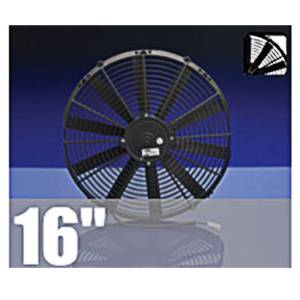
Converting from mechanical engine-driven fans to electric fan systems offers multiple advantages for Tri-Five cooling performance and drivability. Electric fans eliminate parasitic power loss associated with mechanical fans, freeing several horsepower for improved performance and efficiency. They provide precise temperature-controlled operation, running only when cooling is needed rather than constantly consuming power. This on-demand operation also improves fuel economy and reduces fan noise during cruising.
Electric fan kits include everything necessary for installation, including fans, mounting hardware, wiring, temperature switches, and relay systems. Various fan sizes and configurations accommodate different radiator dimensions and cooling requirements. Single and dual fan options allow you to match cooling capacity to your specific engine and climate conditions. Our technical team helps you select the appropriate fan capacity for your Tri-Five's needs.
Complete Cooling System Components
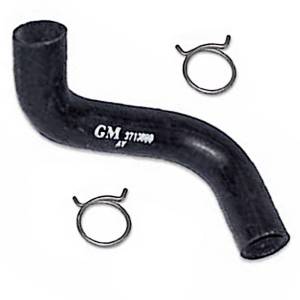
Beyond radiators and fans, maintaining proper cooling requires attention to all system components. Our radiator hose inventory includes pre-formed hoses matching original routing for stock applications and universal hoses for custom installations. These hoses feature modern materials resistant to heat, ozone, and coolant chemistry degradation that quickly destroyed original rubber hoses. Proper hoses ensure leak-free connections and optimal coolant flow throughout the system.
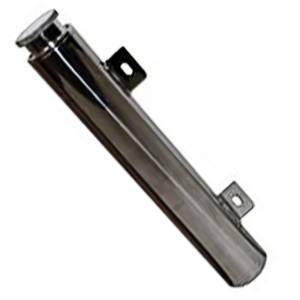
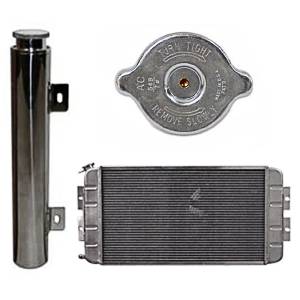
Overflow tanks represent important safety and convenience upgrades for Tri-Fives. Original cooling systems lacked expansion tanks, allowing coolant to escape onto the ground when hot. Modern overflow tanks capture expanded coolant, returning it to the radiator as temperatures drop. This prevents coolant loss, reduces environmental impact, and maintains proper system fill levels. Various tank styles accommodate different installation locations and aesthetic preferences.
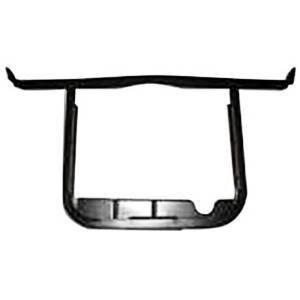
Radiator core support components, including mounting brackets, insulators, and hardware, ensure proper radiator positioning and vibration isolation. These often-overlooked parts prevent radiator damage from road vibration and maintain correct positioning for optimal airflow. We stock reproduction components matching original specifications for authentic restorations.
Performance Considerations and Upgrades
Tri-Fives equipped with performance engines or air conditioning require enhanced cooling capacity beyond stock specifications. Selecting appropriate radiator core thickness, fan capacity, and system configuration requires understanding your specific cooling demands. Hot climates, stop-and-go traffic, performance camshafts with reduced idle speeds, and air conditioning all increase cooling system requirements.
Our technical support team provides guidance on sizing cooling components appropriately for your application. Oversizing cooling capacity provides insurance against overheating but may result in excessive weight, cost, or installation complexity. Properly matched components deliver reliable cooling without unnecessary compromises.
Installation Support and Technical Expertise
Installing cooling system components in Tri-Fives presents unique challenges specific to 1950s vehicle architecture. Radiator mounting configurations, fan clearances, and hose routing differ between model years and engine options. Our experienced team helps you navigate these variations, ensuring successful installations that deliver reliable cooling performance.
We understand that cooling system upgrades often coincide with other performance or restoration work. Coordinating radiator replacement with engine swaps, air conditioning installations, or front-end restoration requires careful planning. Our team helps you sequence these projects appropriately, ensuring all components work together harmoniously for optimal results.
FAQs: 1955-1957 Chevy 150, 210, and Bel Air Brass and Copper Radiators
Q: Should I choose an aluminum or a brass and copper radiator for my Tri-Five?
A: The choice depends on your priorities and application. Brass and copper radiators maintain an authentic appearance and construction, making them ideal for original restorations and concours vehicles with stock engines. They're reliable and repairable using traditional methods. Aluminum radiators offer superior cooling performance, typically 25 to 35 percent better than comparable brass and copper units, plus significant weight savings. Choose aluminum if you have a performance engine, air conditioning, drive in hot climates, or encounter heavy traffic. Choose brass and copper if originality is paramount and your Tri-Five has a stock engine without AC. Our team can help assess your specific cooling needs.
Q: Will an aluminum radiator fit my Tri-Five without modifications?
A: Yes, quality aluminum radiators are engineered as direct replacements for original radiators, using factory mounting points and connections. Reputable manufacturers like Cold Case design their radiators specifically for 1955-1957 Tri-Five applications with correct dimensions, inlet and outlet locations, and mounting configurations. Installation mirrors original radiator replacement procedures. Some aluminum radiators offer options for different inlet/outlet positions to accommodate various engine configurations, but the basic installation uses existing mounting points without cutting or fabrication.
Q: What are the benefits of converting to electric fans?
A: Electric fan conversions offer several advantages. They free horsepower previously consumed by mechanical fans, improving performance and fuel economy. Electric fans provide precise temperature-controlled operation through thermostatic switches, running only when needed rather than constantly. This reduces parasitic power loss and fan noise. They also improve low-speed cooling since fan speed isn't tied to engine RPM, helping in traffic or idle situations. Electric fans provide clearance benefits for engine swaps or accessories. The main considerations are ensuring adequate electrical system capacity and selecting an appropriate fan size for your cooling requirements.
Q: Do I need an overflow tank for my Tri-Five?
A: While not required for basic operation, overflow tanks provide significant benefits. Original Tri-Fives lacked expansion tanks, so hot coolant overflowing from the radiator cap spilled onto the ground, wasting coolant and creating a mess. Overflow tanks capture this expanded coolant and return it to the radiator as it cools, maintaining proper fill levels and preventing waste. This improves cooling system efficiency, reduces environmental impact, and eliminates the need to frequently add coolant. Modern pressurized cooling systems with overflow tanks also operate more efficiently and help prevent air pockets in the system. Installation is straightforward and reversible.
Q: How do I know what size radiator and fan I need for my Tri-Five?
A: Sizing depends on several factors, including engine displacement and output, whether you have air conditioning, typical driving conditions, and climate. Stock inline-six engines with no AC can use standard capacity radiators. Small-block V8s benefit from mid-capacity radiators, while big-block engines or vehicles with air conditioning require maximum cooling capacity. Stop-and-go traffic, hot climates, and performance camshafts increase cooling demands. Our technical team can assess your specific application and recommend appropriate radiator core thickness, fan CFM rating, and system configuration.