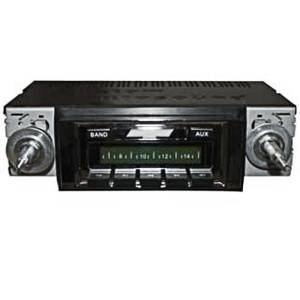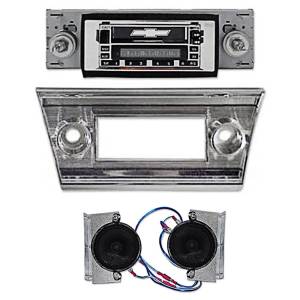
Custom Autosound pioneered this approach decades ago, understanding that classic car enthusiasts demand both authenticity and performance. Their radio systems feature faceplate designs that replicate original GM radio styling with precise knob placement, font selection, and chrome trim details. Behind these period-correct faces, however, lies sophisticated digital circuitry delivering 300-watt amplification, equalization controls, and wireless device integration.
Complete Radio System Components for Your A-Body
OEM-Style Replacement Radios with Digital Features
Modern replacement radios designed specifically for Chevelle applications fit directly into your original dash opening without requiring modifications to the surrounding bezel or instrument cluster. These units maintain correct mounting depth to avoid interference with dashboard support structures while providing ample clearance for wiring connections.
The best systems include discrete auxiliary input ports that mount inconspicuously beneath the dashboard, allowing smartphone or tablet connections without compromising the vintage appearance. Advanced models incorporate steering wheel control compatibility, allowing integration with modern aftermarket steering wheels equipped with audio buttons.
Radio Bezels and Trim Components
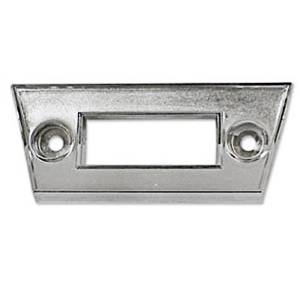
Dashboard radio bezels serve both functional and aesthetic purposes in Chevelle interiors. These reproduction components feature correct woodgrain patterns for models equipped with optional interior trim packages, or proper black-painted finishes for standard dashboards. Bezel fitment is critical—poorly manufactured reproductions create gaps around radio openings and won't secure mounting screws properly.
Our bezel inventory includes complete assemblies with integrated knob sets, eliminating compatibility concerns between different manufacturers' components. This ensures proper shaft engagement and smooth operation throughout the entire rotation range for volume, tuning, and tone controls.
Speaker Upgrades for Superior Sound Quality
Factory-Location Speaker Solutions
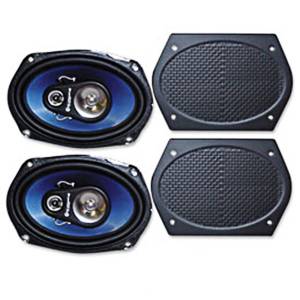
The Chevelle platform uses several speaker locations depending on model year and factory options. Dashboard-mounted center speakers require specific impedance ratings and shallow mounting depths to fit within the limited space available. Rear deck speakers need proper magnet structure sizing to avoid interference with trunk lid operation on hardtop and coupe models.
Modern speaker technology delivers dramatically improved frequency response compared to original paper-cone designs. Contemporary speakers feature polypropylene or composite cones that resist moisture damage and temperature extremes while providing clearer midrange reproduction and extended bass response. Rubber surrounds eliminate the deterioration issues common with foam edge treatments on older aftermarket speakers.
Custom Speaker Enclosures and Kick Panels
For enthusiasts seeking premium audio performance, custom kick panel speaker enclosures represent the optimal solution. These components replace the factory kick panels with molded assemblies that position speakers at precise angles for optimal sound staging. The angled placement directs sound toward passenger ear level rather than at feet or legs, creating a more immersive listening experience.
Premium kick panel systems include acoustic dampening materials that reduce resonance and vibration transfer to surrounding body panels. This improves clarity while preventing annoying rattles that can develop over time as mounting hardware loosens.
Essential Antenna Components and Accessories
Power and Manual Antenna Systems
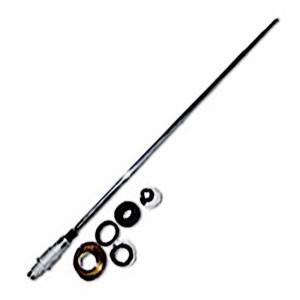
Maintaining reliable radio reception requires a properly functioning antenna system. Reproduction power antennas feature correct mast sections that telescope smoothly without binding while maintaining electrical continuity throughout the extension range. These units include proper mounting gaskets and bezels that seal against exterior body panels, preventing water intrusion into interior cavities.
Manual antennas offer simplicity and reliability for drivers who prefer traditional operation. Modern reproductions utilize stainless steel mast sections that resist corrosion while maintaining flexibility to withstand car wash equipment and low-clearance obstacles. Proper cable routing prevents interference with fender movement and ensures adequate slack for full extension.
Antenna Cable and Connector Hardware
Signal quality depends heavily on proper antenna cable installation. Modern cables feature improved shielding that reduces engine ignition noise and alternator whine common with original equipment wiring. Gold-plated connectors ensure positive electrical contact while resisting oxidation that degrades signal strength over time.
Cable length must be carefully selected based on antenna mounting location. Excess cable should be coiled loosely rather than tightly bundled, as sharp bends can damage internal conductors and create impedance mismatches that weaken reception.
Professional Installation Considerations
Wiring Integration and Power Supply
Modern radios require clean, regulated power to function properly and avoid introducing noise into the audio signal. Direct battery connections with inline fuses provide optimal performance, though many installers prefer integrating with existing accessory circuits through the fuse panel. Either approach requires proper wire gauge selection based on current draw specifications.
Ground connections deserve equal attention—a poor ground causes more audio system problems than any other single factor. Modern radios require dedicated ground connections to clean metal surfaces, preferably directly to the chassis rather than through the dash frame. Paint and body filler must be completely removed from ground points to ensure proper conductivity.
Dashboard Removal and Radio Access
Accessing the radio mounting area in a Chevelle requires careful dashboard disassembly. The process varies by year, with 1968-1972 models requiring more extensive work than earlier versions. Our technical team can provide specific guidance for your model year, including tips for protecting vulnerable plastic components and properly disconnecting speedometer cables and various electrical connections.
Preserving Value While Adding Modern Convenience
Thoughtful audio system upgrades enhance your Chevelle's usability without compromising its collector value. By selecting components that install reversibly and maintain factory appearance, you preserve the option to return the vehicle to completely original specification. This approach particularly benefits drivers who use their Chevelles regularly but may eventually sell to collectors seeking unmodified examples.
Many restorers choose to retain their original radio and speaker components in storage, allowing future owners to reinstall factory equipment if desired. This consideration costs nothing but adds significant appeal to discerning buyers who appreciate preservation of original parts.
FAQs: Car Stereos for Chevelles
Can I install a modern Bluetooth radio in my Chevelle without cutting the dashboard?
Absolutely. Custom Autosound radios designed for 1964-1972 Chevelles fit directly into the factory radio opening without requiring any dashboard modifications. These units use the same mounting dimensions and depth as original GM radios, so installation is completely reversible. The radios feature period-correct faceplates that match the vintage aesthetic while providing Bluetooth streaming, USB charging ports, and auxiliary inputs for modern devices. Some models include remote control options that allow you to mount a discrete control module elsewhere in the vehicle. The key is selecting a radio specifically engineered for Chevelle applications rather than universal units that may require custom brackets or opening modifications.
What's the difference between factory replacement speakers and custom kick panel speaker systems for my Chevelle?
Factory replacement speakers install in the original dashboard and rear deck locations using existing mounting points and speaker grilles. These speakers typically measure 4x10 inches for the dash center location or 6x9 inches for rear deck applications, depending on your model year. They offer improved sound quality over original equipment while maintaining a stock appearance. Custom kick panel speaker systems replace the standard kick panels with molded enclosures that house component speakers in acoustically optimized positions. Kick panel systems provide superior sound staging because they angle speakers toward the listener's ears rather than at their feet. This placement creates a more immersive soundstage with better stereo separation. While factory replacement speakers work well for casual listening, kick panel systems deliver audiophile-quality performance for serious enthusiasts.
Will modern speakers work with my original Chevelle radio, or do I need to upgrade the entire system?
Modern speakers will physically install in your Chevelle and connect to an original radio, but the results may disappoint. Factory radios from the 1960s and early 1970s produce very limited power output—typically around 5-10 watts—which cannot properly drive contemporary speakers designed for modern amplification. Additionally, original radios have narrow frequency response and limited fidelity compared to today's standards. Modern speakers will sound better than deteriorated original units, but you won't experience their full potential without upgrading to a modern radio or adding an external amplifier. Many restorers choose to upgrade both components simultaneously to maximize sound quality. If you prefer keeping an original radio for authenticity, consider having it professionally restored rather than replacing speakers alone.
How do I choose between a power antenna and a manual antenna for my Chevelle restoration?
The decision depends on your priorities regarding convenience, authenticity, and reliability. Power antennas offer convenience—they automatically extend when you turn on the radio and retract when you turn it off, protecting the mast and improving the vehicle's appearance when parked. Factory power antennas were available on certain Chevelle models, so they maintain period-correct authenticity. However, power antenna mechanisms require maintenance and can fail over time, particularly if the mast becomes contaminated with road debris. Manual antennas are simpler, more reliable, and cost significantly less. They require remembering to extend them for radio reception and retract them before entering car washes or garages. For daily drivers, many owners prefer power antennas despite the added complexity. For show cars driven infrequently, manual antennas often make more sense.
What should I know about antenna placement and reception quality in my Chevelle?
Antenna placement dramatically affects radio reception quality, and Chevelles present specific challenges based on body style. Most Chevelle models mounted antennas on the front fender, which provides good reception for FM and AM signals while positioning the mast where it's protected from rear vehicle impacts. However, fender-mounted antennas route cables through areas that can develop leaks, so proper sealing is essential. Some owners prefer cowl-mounted or windshield-mounted antennas to avoid potential water intrusion points. Reception quality also depends on proper cable routing away from ignition system components that generate electrical interference. Modern antenna cables include better shielding than original equipment, significantly reducing static and noise. For optimal results, ensure the antenna mast makes good electrical contact with the mounting base, check that ground connections are solid, and route cables with adequate slack to prevent tension on connections during fender movement.