Classic Camaro Radiators
When it comes to your classic Camaro’s health, fewer parts are more important than a properly functioning radiator. Without one, your Camaro’s engine could overheat, and that’s one of the worst things that can happen to a vehicle. Once your radiator’s out of commission, your engine heat rises quickly.
If you’re into classic cars, finding a radiator that fits your exact build can be a headache. But H&H Classic Parts is here to help. Whether you’re an enthusiast looking for that perfect restoration part, or you’re just looking for a reliable radiator to fit your classic car, we have the parts you need. We’ll make sure you’re getting the dependable performance and classic stylings your car deserves.
Brass and Copper Radiators for 1967-1981 Camaros
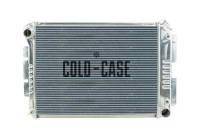
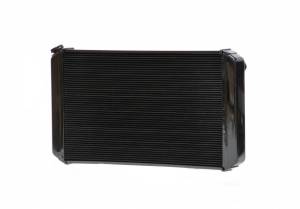
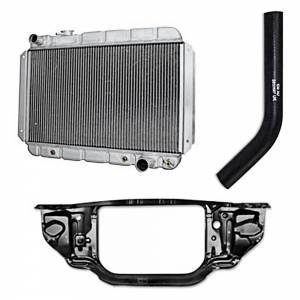
If you’re in the market for a classic Camaro radiator, you’re in the right place. We carry a selection of brass and copper 4-core radiators from Johnson’s Radiator Works. You’re sure to find the perfect fit for your classic build.
A Perfect Restoration Part, Down to the Materials
These radiators don’t just look classic; they also use classic materials. We’ve stocked radiators that use traditional brass and copper construction instead of the aluminum you find on modern models. You get the tried-and-true thermal performance that brass and copper are known for. So if you’re looking for the perfect replacement radiator, you’ll be pressed to find any radiators better than these!
FAQs: Classic Camaro Radiators
Are brass and copper radiators correct for classic Camaros, and are they better than aluminum?
Yes, all factory Camaros from 1967 through 1981 came equipped with brass and copper radiators from the factory, making them the correct choice for restorations and period-correct builds. Copper and brass have excellent thermal conductivity and are highly repairable, which is why they were the industry standard for decades. Modern aluminum radiators offer a weight advantage and are popular in performance builds, but for a stock or show-quality restoration, a brass and copper unit is the appropriate choice. High-quality reproduction brass and copper radiators are available for both first- and second-gen cars in the correct row configurations to match the original equipment on your specific car.
What is the difference between a two-row, three-row, and four-row core, and which do I need?
The row count refers to the number of parallel tubes running through the core from tank to tank; more rows means more coolant volume and surface area for heat transfer. Factory two-row radiators were standard on six-cylinder and base small-block cars with manual transmissions. Three-row units were used on higher-output small-blocks and most automatic transmission cars, which generate additional heat through the transmission cooler. Four-row cores were reserved for big-block engines and heavy-duty cooling applications. For a stock rebuild, match the row count to your original equipment. If you're running a hotter engine, adding AC, or towing occasionally, stepping up one row from factory spec is a straightforward and period-correct way to add cooling capacity without changing the external appearance of the radiator.
Can a brass and copper radiator be repaired, and is it worth doing versus replacing it?
One of the greatest advantages of brass and copper construction is that it is fully repairable by any competent radiator shop using traditional soldering techniques, something that cannot be said for aluminum radiators, which require specialized TIG welding. A leaking tank seam, a cracked header, or a handful of plugged or damaged tubes can all be repaired at a fraction of the cost of replacement. Whether repair is worth it depends on the condition of the core itself. If the tubes are heavily scaled internally, the fins are more than 30–40% collapsed or corroded, or the core has been repaired multiple times already, a new reproduction unit is the better investment. A good radiator shop can flow-test and internally inspect a core to give you an honest assessment before committing to either path.
Do AC-equipped cars require a different radiator than non-AC cars?
Yes, and this is an important distinction when ordering. AC-equipped Camaros used a radiator with a built-in transmission oil cooler in the lower tank, a small separate loop of tubing through which automatic transmission fluid circulates to shed heat. Non-AC cars with automatic transmissions also used a trans cooler-equipped radiator, while manual transmission cars without AC used a plain radiator with no cooler fittings. Additionally, AC cars often used a wider or higher-row-count core to compensate for the airflow restriction created by the AC condenser mounted in front of the radiator. Always confirm whether your car is an AC car, what transmission it has, and whether it uses the correct trans cooler fittings before ordering a replacement unit.
How should I maintain a brass and copper radiator to maximize its service life?
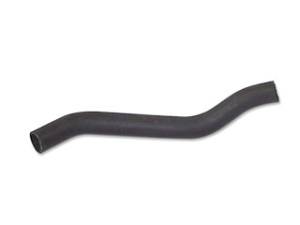
The most important maintenance step is a full coolant flush every two years using distilled water and a fresh mix of traditional green IAT coolant. The corrosion inhibitors in coolant deplete over time, and old coolant becomes acidic and actively attacks the solder joints and copper tubes from the inside. Never use long-life OAT or HOAT coolants (orange, yellow, or pink) in a brass and copper system, as they are formulated for aluminum and can strip the protective oxide layer inside copper tubes. Keeping the external fins clean and free of debris maintains airflow efficiency; a gentle rinse from behind the core with low-pressure water removes bug buildup without bending fins. Finally, inspect the rubber hoses and hose clamps annually, as a collapsing lower hose can restrict flow enough to cause overheating even in a perfectly sound radiator.