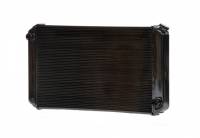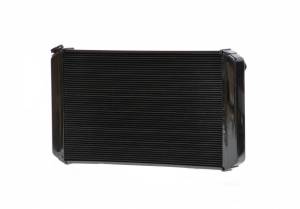
Classic Camaro Engine Cooling System Parts: including 1967-1981 Camaro Brass and Copper Radiators & More
Do you need cooling parts for your Classic Camaro? H&H Classic Parts offers a full catalog of 1967-1981 brass and copper radiators and engine cooling parts. We sell everything you could need, from radiators to overflow tanks, hoses, plus hard-to-find parts like thermostat housings and radiator caps. Whether you're looking for a factory-accurate replacement part or a modern upgrade for your classic vehicle, we have the unique parts you need to get the job done.
1967-1981 Camaro Radiators and Engine Cooling System Parts
Making sure your engine cooling system is in good shape means you’re getting the most from your engine. Because your engine is so important, you don’t want to trust just anyone with your radiators. Fortunately for you, H&H Classic knows classic cars. Whether you need a full aluminum radiator replacement, an electric fan kit, or replacement hoses, we have everything you need to keep your classic Camaro cool.
What Factory Replacement Parts Are Available?
At H&H Classic Parts, we have a strong lineup of trusted brands. We feature aluminum performance radiators from Cold Case Radiators, plus radiator options from Johnson’s Radiator Works. You’ll find plenty of enthusiast-favored, reliable brands, including special fans from Spal USA and other premium restoration parts from brands like OER Parts and Shafer's Classic Reproductions.
Why Should You Shop at H&H Classic Parts?
At H&H Classic Parts, we’ve built a reputation as a trusted distributor of classic Chevy restoration parts. We have decades of experience, serving customers from our home base in Bentonville, Arkansas. Over the years, we’ve built a relationship with classic car enthusiasts and have become the business they trust when they need help. When it comes to classic Camaro AC and heater parts, no other business can match our competitive prices, vast inventory, and specialized knowledge of cars. You’ll feel more confident shopping here than at any general auto parts retailer.
Every order also comes backed by our H&H Classic Parts promise. We have a full team of serious enthusiasts available by phone at 479-787-5575 (Mon–Fri, 8 am–5 pm CST), easy returns, and a commitment to making sure you’re getting the right part the first time you shop here.
FAQs: Classic Camaro Brass and Copper Radiators
What size radiator do I need, and does it matter whether my car has AC or an automatic transmission?
Yes, both factors matter. First- and second-gen Camaros were available with different radiator core sizes depending on engine and option content. A base six-cylinder or small-block car with a manual transmission typically used a two-row core, while high-output big-block engines and automatic transmission cars required a larger three- or four-row core. AC-equipped cars also needed a radiator with a built-in transmission oil cooler, and the core itself was usually wider to compensate for the condenser blocking airflow. Always confirm the original build tag or trim tag specifications before ordering a replacement to ensure proper fit and cooling capacity.
What thermostat temperature is correct for a classic Camaro, and should I run a 160°, 180°, or 195° unit?
The factory spec for most first- and second-gen small-block and big-block Chevy engines is a 195°F thermostat. Running a lower-temperature unit (160° or 180°) is a common practice but can actually cause problems; carbureted engines tend to run rich and deposit carbon when they never fully warm up, and emissions equipment on later second-gen cars won't function correctly. A 195° thermostat allows the engine to reach proper operating temperature quickly and maintain it consistently. If overheating is a concern, the better solution is to address the root cause (radiator condition, fan shroud, water pump efficiency) rather than dropping to a colder thermostat.
Is a fan shroud really necessary, and what happens if I skip it?
The fan shroud is one of the most important and most frequently omitted cooling components on classic Camaros. Without it, the mechanical fan only pulls air through the section of the radiator directly in front of the fan blades; the rest of the core contributes little at idle or low speeds. A properly fitting shroud forces all airflow through the entire radiator face, dramatically improving low-speed and stop-and-go cooling. First-gen cars used a bolt-on shroud specific to the radiator size and fan diameter. Second-gen cars used a similar design. If your car runs hot in traffic but cools down at highway speeds, a missing or improperly fitted shroud is one of the first things to check.
How often should I replace the water pump, and are there signs it's failing before it leaks?
Water pumps on classic small-block and big-block Chevys are generally robust, but a reasonable service interval is every 50,000–60,000 miles or whenever the cooling system is overhauled. Warning signs before an outright leak include a slight wobble or play in the fan (indicating worn shaft bearings), a rumbling or grinding noise at the front of the engine, or weeping coolant from the pump's drain hole (which is actually a designed vent; small weeping is normal, but steady dripping means the seal is going). Note that first-gen and second-gen Camaros used different water pump casting directions for short- and long-water-pump engines, so always confirm which version your engine uses before ordering.
What coolant type should I use, and can I mix different brands or colors?
Classic Camaros were designed to use traditional green (IAT, Inorganic Additive Technology) coolant, and that remains the recommended choice for cast iron engines with older rubber hoses and seals. Modern long-life orange or yellow OAT (Organic Acid Technology) coolants are formulated for late-model aluminum engines and can actually accelerate corrosion in older cooling systems. You should never mix green IAT with OAT-based coolants; doing so neutralizes the inhibitor packages in both and forms a gel-like sludge. Stick with a green IAT coolant at a 50/50 mix with distilled water, and flush the system every two years to keep the inhibitors effective and prevent internal corrosion buildup.