The 1964-1972 Chevelle platform presents unique cooling challenges based on engine displacement, transmission type, and air conditioning equipment. Small-block applications require different radiator core sizing than big-block installations, while manual transmission cars cool more efficiently than automatic-equipped models that add transmission fluid heat to the system. Understanding these variables ensures you select components properly matched to your specific configuration.
Aluminum Radiator Upgrades for Maximum Cooling Efficiency
Cold Case Performance Radiator Technology
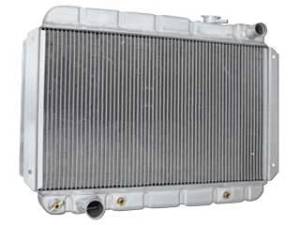
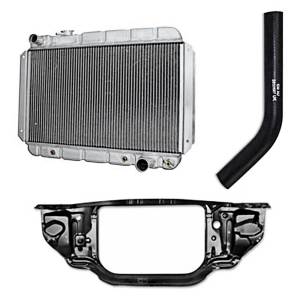
Modern aluminum radiators revolutionize cooling capacity through advanced engineering that couldn't exist during the muscle car era. Cold Case radiators feature welded tube-and-fin construction with significantly greater surface area than original copper-brass designs. The aluminum material conducts heat more efficiently while weighing substantially less, reducing front-end load and improving weight distribution.
These performance radiators incorporate thicker core sections with optimized tube spacing that increases coolant volume and residence time. Longer coolant exposure to cooling fins allows more thorough heat dissipation, dropping operating temperatures by 20-30 degrees compared to factory radiators. This thermal margin prevents overheating during extended idle periods or challenging driving conditions like mountain grades or track events.
Direct-Fit Applications and Custom Configurations
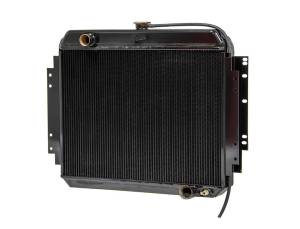
Application-specific radiators eliminate the fabrication work required with universal cooling components. Direct-fit units utilize factory mounting locations and hose connections, allowing installation without modifying core supports or creating custom brackets. These radiators maintain proper coolant flow paths that match your engine's water pump discharge and thermostat housing positions.
For modified vehicles with engine swaps or custom setups, custom-configured radiators provide solutions tailored to specific requirements. Options include left or right inlet/outlet positioning, integrated transmission cooler provisions, and various core thickness selections to accommodate different engine bay clearances.
Critical Support Components for System Efficiency
Fan Shrouds and Airflow Management
Fan shrouds represent one of the most overlooked yet critical cooling system components. A properly designed shroud directs all fan blade airflow through the radiator core rather than allowing recirculation around blade tips. This focused airflow dramatically improves cooling effectiveness, particularly at low speeds where ram air pressure doesn't contribute to heat dissipation.
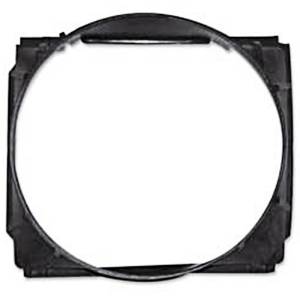
Reproduction shrouds maintain factory appearance while incorporating improved mounting provisions that eliminate the stress cracks common in original plastic units. Heavy-duty materials withstand engine bay heat without warping or becoming brittle over time. Proper shroud installation requires correct positioning relative to fan blade depth—optimal performance occurs when blades sit at the shroud's midpoint.
Electric Fan Conversion Benefits
Converting from mechanical to electric fans offers multiple advantages for Chevelle applications. Electric fans eliminate parasitic horsepower loss from belt-driven fans, freeing up 15-20 horsepower at high RPM. They provide superior low-speed cooling because they operate independently of engine speed, maintaining full airflow capacity during idle periods when mechanical fans move least effectively.
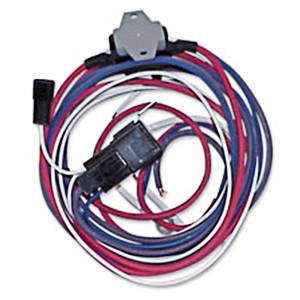
Modern electric fan kits include thermostatically controlled relays that activate fans only when needed, reducing electrical system load and preventing overcooling that increases fuel consumption and emissions. Dual-fan setups deliver maximum airflow for high-horsepower builds or vehicles with air conditioning systems requiring additional cooling capacity.
Essential Cooling System Hardware and Components
Radiator Hoses and Clamps
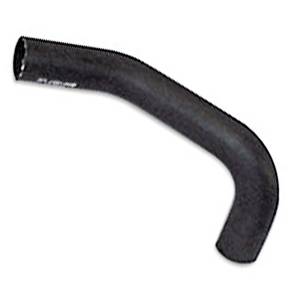
Quality radiator hoses prevent the roadside failures that strand classic car enthusiasts far from home. Modern replacement hoses use EPDM rubber compounds that resist degradation from ethanol-blended fuels and extended heat exposure. These materials maintain flexibility through extreme temperature cycling while resisting the cracking and separation common with older rubber formulations.
Proper hose selection requires matching specific applications—upper and lower hoses follow different routing paths with distinct bend radii and lengths. Generic "universal" hoses rarely provide correct fitment, creating potential interference with accessories or allowing kinks that restrict coolant flow. Application-specific hoses ensure proper clearances while maintaining smooth internal passages for unrestricted circulation.
Overflow Tanks and Expansion Management
Sealed cooling systems with expansion tanks operate more efficiently than older open systems with simple overflow tubes. Pressurized systems raise coolant boiling points, allowing higher operating temperatures that improve combustion efficiency and reduce emissions. Properly functioning expansion tanks also prevent coolant loss during thermal cycling, maintaining consistent system capacity.
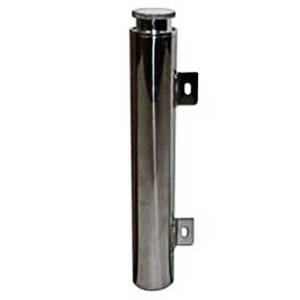
Reproduction overflow tanks feature correct mounting provisions and capacity specifications for Chevelle applications. Transparent or translucent designs allow visual fluid level monitoring without opening the system, while proper internal baffling prevents sloshing during aggressive driving.
Radiator Core Support and Mounting Components
Core Support Replacement and Repair
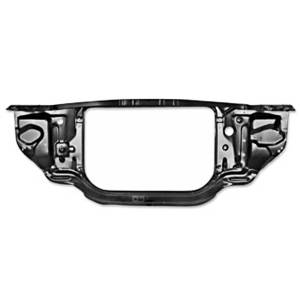
Radiator core supports suffer damage from front-end collisions, rust perforation, and stress cracks around mounting points. Complete replacement core supports restore structural integrity while providing fresh mounting surfaces for radiator installation. These reproduction panels include proper stampings and reinforcement patterns that match original construction.
Partial repair sections allow targeted fixes for localized damage without replacing entire assemblies. Common repair areas include lower sections prone to rust from road debris accumulation and upper mounting flanges that crack from radiator weight stress over decades of service.
Mounting Cushions and Isolation Hardware
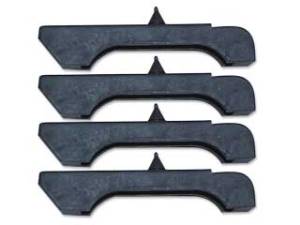
Radiator mounting cushions serve dual purposes—they provide vibration isolation that prevents stress cracking while creating proper spacing between the radiator and core support. Deteriorated cushions allow radiators to shift under acceleration and braking, causing hose stress and potential fan contact with shroud edges.
Modern reproduction cushions use materials engineered to resist compression set and oil contamination better than original rubber compounds. Proper durometer specifications ensure adequate vibration damping without excessive softness that allows movement. Complete mounting kits include all necessary hardware with correct shoulder bolt lengths and proper washer configurations.
Thermostat Housings and Temperature Control
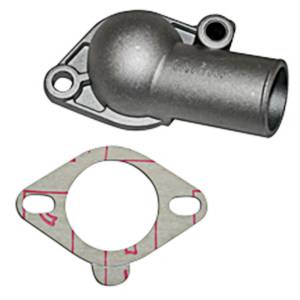
High-quality thermostat housings prevent the coolant leaks that plague poorly cast reproductions. Premium housings feature smooth internal passages without the porosity common in budget castings, ensuring reliable sealing and unrestricted flow. Correct bolt hole positioning and gasket surface machining allow proper torque application without distortion.
Polished aluminum housings offer both functional and aesthetic benefits for engine bay presentations. These units dissipate heat more effectively than cast iron while providing a custom appearance. Integrated temperature sensor provisions accommodate modern digital gauge installations without additional adapters or fittings.
Professional Installation and System Maintenance
Proper cooling system assembly requires attention to details that amateur mechanics often overlook. Radiator installation demands precise alignment to prevent fan blade contact and ensure proper airflow distribution. Hose routing must avoid interference with steering components while maintaining smooth bends that don't restrict flow.
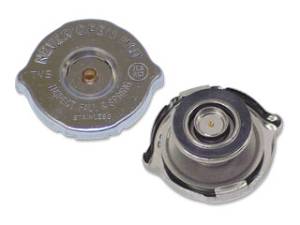
System maintenance includes periodic coolant replacement using formulations compatible with aluminum radiators and modern engine materials. Traditional green antifreeze can cause galvanic corrosion in mixed-metal systems, while extended-life coolants provide superior protection. Annual inspections should verify pressure cap function, check for external leaks, and confirm proper thermostat operation.
FAQs: Chevelle Radiators
What are the advantages of upgrading to an aluminum radiator in my Chevelle?
Aluminum radiators offer significant performance improvements over original copper-brass units through superior heat transfer characteristics and increased core capacity. The aluminum construction provides better thermal conductivity, allowing more efficient heat dissipation from coolant to surrounding air. Modern aluminum radiators typically feature 30-50% more cooling capacity than factory radiators while weighing considerably less—often 15-20 pounds lighter. This weight reduction improves front-end balance and handling response. Aluminum radiators also resist corrosion better than copper-brass designs, particularly when using modern extended-life coolants. Cold Case radiators designed specifically for Chevelles maintain factory mounting positions and hose connections for straightforward installation without core support modifications. The increased cooling capacity proves especially valuable for modified engines producing more horsepower than stock, vehicles with air conditioning, or cars driven in hot climates or stop-and-go traffic conditions.
How do I determine the correct radiator size and configuration for my Chevelle's engine?
Radiator selection depends on several critical factors including engine displacement, horsepower output, transmission type, and air conditioning presence. Small-block Chevelles (283, 307, 327, 350) typically use two-row or three-row radiators for stock applications, while big-block engines (396, 402, 454) require three-row or four-row configurations for adequate cooling capacity. Automatic transmission vehicles need additional capacity compared to manual transmission models because they generate extra heat through the transmission fluid cooler. Air conditioning systems demand even greater cooling capacity because the condenser restricts airflow to the radiator. High-performance engines producing over 400 horsepower benefit from maximum-capacity radiators regardless of displacement. Our technical specialists can help identify the optimal radiator based on your specific configuration. Provide your engine size, estimated horsepower, transmission type, AC status, and intended vehicle use (daily driver, weekend cruiser, or performance driving) for accurate recommendations.
Can I convert my Chevelle from a mechanical fan to electric fans without overheating issues?
Electric fan conversions work extremely well on Chevelles when properly implemented with appropriately sized fans and correct installation. Quality electric fan kits like those from SPAL provide equivalent or superior airflow compared to mechanical fans while eliminating parasitic power loss. The key is selecting fans with adequate CFM ratings for your application—most small-block Chevelles require minimum 2,500 CFM total airflow, while big-block and AC-equipped cars need 3,000-3,500 CFM. Dual-fan configurations typically outperform single large fans by providing better airflow distribution across the radiator core. Proper installation requires mounting fans on the engine side of the radiator (pulling configuration) rather than the front (pushing configuration) for maximum efficiency. The electrical system must include appropriately sized relays activated by adjustable thermostatic switches set to engage around 180-185 degrees. Many enthusiasts worry about low-speed cooling, but quality electric fans actually excel in this area because they provide full airflow regardless of engine RPM.
What causes radiator hose failure, and how often should I replace them?
Radiator hose failure stems from multiple degradation mechanisms that accelerate over time. Heat cycling causes rubber compounds to harden and lose flexibility, eventually leading to cracks that allow coolant leaks. Modern ethanol-blended fuels produce vapors that can permeate hoses from the outside, accelerating deterioration. Electrochemical degradation occurs when improper coolant maintenance allows acidic conditions that attack hose materials from the inside. Visual inspection reveals early warning signs including surface cracking, soft spongy areas, hardened sections, or visible swelling. Replace hoses proactively every 5-7 years even if they appear serviceable—internal deterioration often progresses before external symptoms appear. When replacing hoses, always use application-specific hoses rather than universal types to ensure proper fitment and routing. Install new constant-tension clamps that maintain proper sealing pressure as hoses expand and contract. Simultaneous replacement of both upper and lower hoses prevents having new hoses connected to deteriorated components.
Why is a radiator fan shroud important, and will my Chevelle overheat without one?
Fan shrouds play a crucial role in cooling system efficiency by directing airflow through the radiator core rather than allowing it to recirculate around fan blade tips. Without a shroud, fans pull significant air from engine bay spaces around the radiator edges instead of drawing it through cooling fins where heat exchange occurs. This inefficiency becomes particularly problematic at low speeds and idle conditions when ram air doesn't assist cooling. Chevelles can overheat without proper shrouds, especially in traffic, during hot weather, or with high-performance engines producing substantial heat. The overheating typically manifests during extended idle periods or slow-speed driving rather than highway cruising where ram air compensates for poor fan efficiency. Big-block Chevelles and AC-equipped models are particularly susceptible because they generate more heat requiring maximum cooling system performance. Proper shrouds must position fan blades at the correct depth—ideally centered within the shroud throat—to optimize airflow. Reproduction shrouds maintain factory appearance while providing improved durability compared to original plastic units that become brittle over decades of heat exposure.