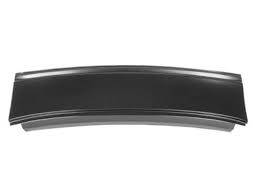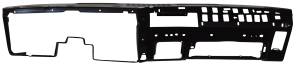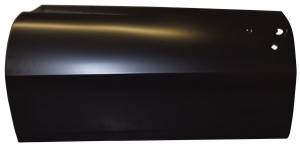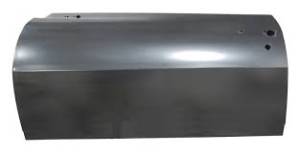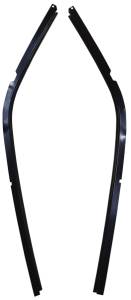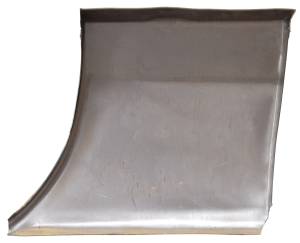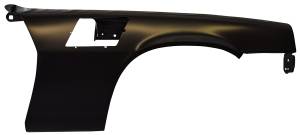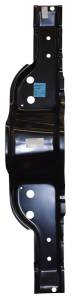
Sheet Metal & Body Restoration Parts for Classic Camaros
At H&H, we not only understand why you’re so passionate about restoring your classic Camaro, but we also share that passion with you. Your classic Camaro is original and unlike any other because you get to be in the driver’s seat and customize it however you want. The newer models lack the personal touch that you want your Camaro to have, and it’s our mission to provide you with the highest quality products that will help you achieve your goals. Our Camaro sheet metal is one specific part that will ensure your classic Camaro is durable and has all the characteristics you desire. Even with all the new features of the modern models, there’s something about classic Camaros that is simply timeless. The elegant designs and rich history are part of what makes them so special, but it’s the character and detailed craftsmanship that truly separate the classic Camaros from newer models. Nowadays, Camaros are mass-produced by robots and computers whose only purpose is to meet the goals and quotas set by the car manufacturers. Back when Camaros were still being produced, it took manual labor performed by craftsmen with decades of experience. They used simple handheld tools to bring the vision to life. Because of this, classic Camaros have a rare charm that the modern models simply can’t compete with. Another appealing quality of a classic Camaro is the individualism that comes with each and every restoration. Your Camaro is guaranteed to be an eye-catcher because it’s different and unlike the more modern Camaros you typically see out on the road. Your personalized Camaro is sure to impress everyone who sees it because classic Camaros are not only appealing to car lovers, but also to lovers of art, history, design, and engineering.
1967-1981 Camaro Sheet Metal & Body Restoration Parts
With classic car & truck restoration becoming increasingly more popular, we’ve expanded our overall inventory and have an extensive selection of Camaro sheet metal for your project.
We Offer Any and Every Body Replacement Part You Could Need
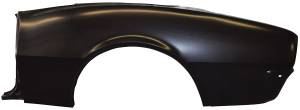
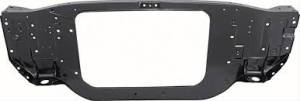
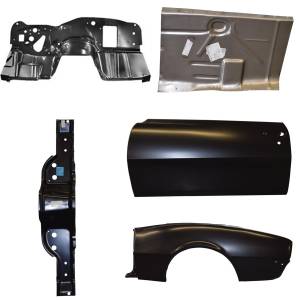
H&H Classic Parts offers an extensive selection of sheet metal body panels specifically for 1967–1981 Chevy Camaros, covering virtually every part of the body from front to back.
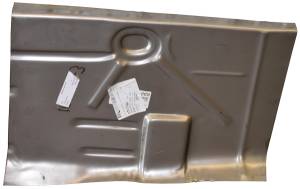
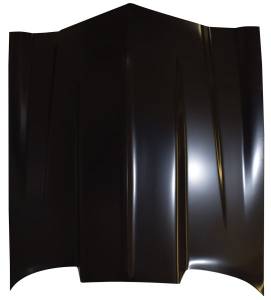
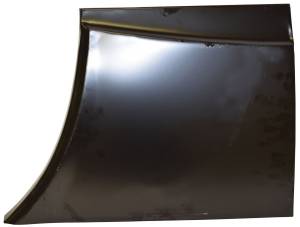
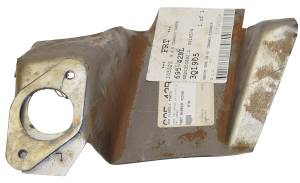
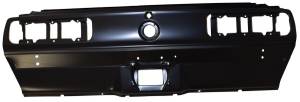
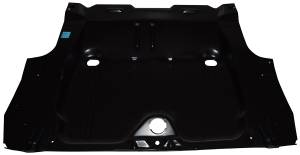
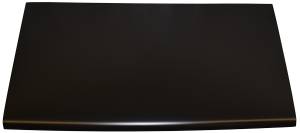
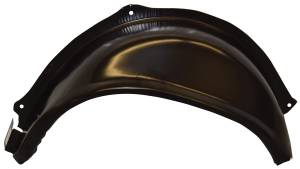
Our catalog stocks virtually every body part from 1967–1981 Chevy Camaros, front to back. Our inventory spans over two dozen categories, so you’ll find everything from quarter panels, fenders, hoods, rocker panels, door skins, wheel houses –and we’re just scratching the surface of what’s available.
What Makes Our Sheet Metal Stand Out?
H&H Classic Parts offers Camaro sheet metal and body panels sourced both domestically and overseas. Bare sheet metal is made in the USA, while black-coated parts can’t be found domestically and are manufactured abroad instead. We always strive to source American-made parts whenever possible, but in cases where that isn't an option, we make sure to carry only the best available alternatives.
Dynacorn is one of our premier suppliers of sheet metal. Dynacorn has been an industry leader in restoration-quality parts since 1984. They often use 1006 Universal grade automotive steel in the construction of their panels, which gives their sheet metal cleaner, tighter welds, and superior craftsmanship compared to older materials. The tooling is precise, the fit is unmatched, and the quality speaks for itself.
Why Should You Shop at H&H Classic Parts?
At H&H Classic Parts, we’ve built a reputation as a trusted distributor of classic Chevy restoration parts. We have decades of experience, serving customers from our home base in Bentonville, Arkansas. Over the years, we’ve built a relationship with classic car enthusiasts and have become the business they trust when they need help. When it comes to classic Camaro AC and heater parts, no other business can match our competitive prices, vast inventory, and specialized knowledge of cars. You’ll feel more confident shopping here than at any general auto parts retailer.
Every order also comes backed by our H&H Classic Parts promise. We have a full team of serious enthusiasts available by phone at 479-787-5575 (Mon–Fri, 8 am-5 pm CST), easy returns, and a commitment to making sure you’re getting the right part the first time you shop here.
FAQs: Sheet Metal Body Parts
Are first-gen (1967–1969) and second-gen (1970–1981) body panels interchangeable?
No, the two generations have entirely different body structures and sheet metal, and parts do not interchange between them. Even within the second generation, certain panels changed over the production run. The 1970–1973 cars differ from 1974–1977 models in bumper mounting, nose sheet metal, and rear valance design due to federal 5 mph bumper regulations that took effect for 1974. The 1978–1981 cars received a front end refresh with a new nose, hood, and header panel that is again unique to those years. Always confirm the exact model year when ordering any exterior panel, fender, hood, or nose piece.
What are the most commonly replaced sheet metal pieces, and which areas rust first?
The floor pans are the single most frequently replaced piece of sheet metal on both generations; they trap moisture and rot from the inside out, especially along the transmission tunnel and under the rear seat. After the floors, the most common problem areas are the lower rocker panels and the bottoms of the front and rear quarters, which collect road debris and salt. The cowl area between the hood and windshield is another notorious rust trap on first-gen cars, as is the area behind the rear wheels on second-gen models. Trunk floors and tail panel sections also commonly need attention. Reproduction patches and full replacement panels are available for all of these areas on both generations.
What should I do to protect new sheet metal from rusting again after installation?
Bare steel starts to surface rust quickly, so protecting new panels promptly is essential. After welding and metal finishing, bare steel should be coated with an epoxy primer as soon as possible; epoxy primer seals the metal and resists moisture far better than rattle-can primers. For enclosed cavities like rocker panels, floor pan channels, and inner quarters, applying a cavity wax or wax-based rust inhibitor through drill holes ensures protection in areas that can't be painted directly. The underside of floor pans and trunk floors should be coated with a rubberized undercoating or chassis paint over the epoxy primer. Finally, seam sealer at all welded seams prevents moisture from wicking into joints, which is where rust typically restarts even on freshly restored cars.