Classic Impala Cooling System Radiator Restoration Parts
Restoring a classic Impala means paying close attention to the cooling system. A properly functioning radiator and related components are essential for maintaining engine temperature, improving performance, and protecting your investment. Whether you are completing a full restoration or replacing worn parts, high quality radiator restoration components ensure your vehicle runs smoothly in all conditions.
Why Radiator Restoration Matters
Over time, original cooling systems can become clogged, corroded, or inefficient. This can lead to overheating, reduced engine performance, and costly repairs. Restoring your Impala’s radiator system helps maintain optimal temperature control and extends engine life.
Key Benefits of Restoration
- Improved heat dissipation
- Increased engine reliability
- Better fuel efficiency
- Preservation of original vehicle value
Essential Radiator Restoration Parts
A complete cooling system restoration involves more than just replacing the radiator. Each component plays a critical role in ensuring proper function.
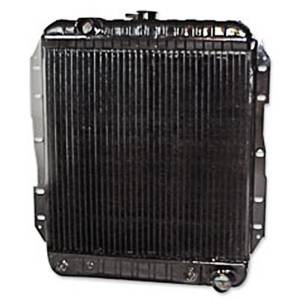
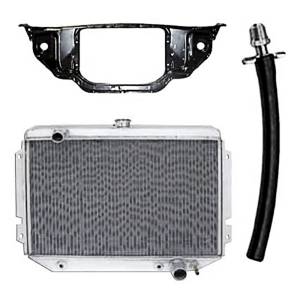
Radiators
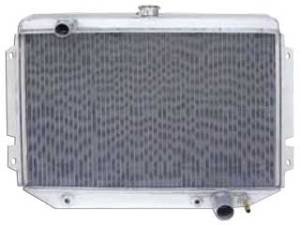
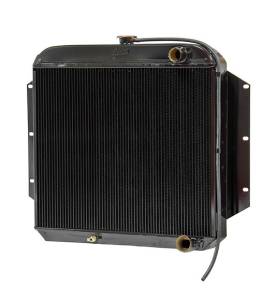
High quality replacement radiators are designed to match original specifications while offering improved durability. Choose from aluminum or copper brass options depending on your restoration goals.
Hoses and Clamps
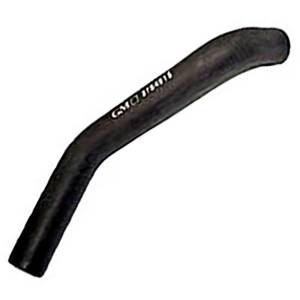
Radiator hoses transport coolant between the engine and radiator. Over time, hoses can crack or weaken. Replacing them with durable materials ensures leak free performance.
Thermostats
The thermostat regulates engine temperature by controlling coolant flow. A properly functioning thermostat prevents overheating and helps the engine reach optimal operating temperature.
Water Pumps
The water pump circulates coolant throughout the system. A failing pump can cause overheating and engine damage, making it a critical component during restoration.
Cooling Fans and Shrouds
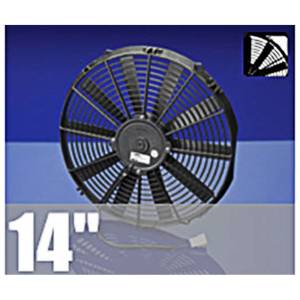
Fans and shrouds improve airflow through the radiator. Upgrading these components can enhance cooling efficiency, especially in high temperature conditions.
Choosing the Right Parts for Your Impala
Selecting the correct radiator restoration parts depends on your vehicle’s year, engine type, and intended use. For show cars, authenticity may be the priority. For daily drivers, performance upgrades can provide better cooling and reliability.
Factors to Consider
- Compatibility with your Impala model
- Material and build quality
- OEM style versus upgraded performance
- Ease of installation
Installation and Maintenance Tips
Proper installation is key to maximizing the benefits of your restoration parts. Always follow manufacturer guidelines and ensure all connections are secure.
Best Practices
- Flush the cooling system before installing new parts
- Use the correct coolant type
- Check for leaks after installation
- Monitor temperature regularly
Routine maintenance, including coolant replacement and inspection of hoses and belts, helps keep your cooling system functioning efficiently.
FAQs About Radiators for Classic Impalas, Bel Airs, and Biscaynes
What are signs my Impala radiator needs restoration?
Common signs include persistent engine overheating, visible coolant leaks under the vehicle, rust or sediment inside the radiator, and discolored coolant. You may also notice reduced heater performance or fluctuating temperature readings on the gauge. These symptoms indicate restricted coolant flow or internal corrosion, both of which reduce cooling efficiency and require restoration or replacement.
How often should I replace radiator hoses?
Radiator hoses should typically be replaced every 4 to 5 years, but inspection is more important than strict timelines. Look for cracks, soft spots, bulging, or coolant residue around connections. Heat cycles and pressure gradually weaken rubber hoses, especially in older vehicles like classic Impalas. Preventative replacement helps avoid sudden failures and roadside breakdowns.
Can I upgrade to an aluminum radiator?
Yes, upgrading to an aluminum radiator is a common improvement for classic Impalas. Aluminum radiators provide better heat transfer, lighter weight, and improved durability compared to original copper brass units. They are especially beneficial for modified engines or vehicles driven in warmer climates, where additional cooling capacity is needed.
Do I need to replace the thermostat during restoration?
Replacing the thermostat during a radiator restoration is highly recommended. Thermostats are inexpensive but critical for regulating engine temperature. An old or malfunctioning thermostat can stick open or closed, leading to overheating or inefficient engine operation. Installing a new thermostat ensures proper coolant flow and consistent performance.
How do I know if my water pump is failing?
Signs of a failing water pump include coolant leaks from the front of the engine, whining or grinding noises, and engine overheating. You may also notice wobble in the pulley or steam coming from the radiator area. Since the water pump is responsible for circulating coolant, failure can quickly lead to serious engine damage if not addressed.
Is a fan shroud necessary?
Yes, a fan shroud is essential for maximizing cooling efficiency. It directs airflow through the radiator rather than allowing it to disperse around the engine bay. This is especially important at low speeds or idle, where natural airflow is limited. A properly fitted shroud can significantly improve cooling performance in classic Impalas.
What type of coolant should I use?
For classic Impalas, it is best to use a high quality ethylene glycol based coolant that is compatible with older engines and metal components. Many restorers prefer coolants designed for classic or vintage vehicles, which include additives that help prevent corrosion and scale buildup. Always follow manufacturer recommendations and maintain the correct coolant mixture ratio.
Can I install radiator parts myself?
Many radiator components, such as hoses, clamps, and thermostats, can be installed with basic hand tools and mechanical knowledge. However, more complex tasks like radiator replacement or water pump installation may require advanced skills. If you are unsure, professional installation ensures proper fitment and prevents costly mistakes.
How can I maintain my restored cooling system?
Maintaining your cooling system involves regular inspections, flushing and replacing coolant every 2 to 3 years, and checking for leaks or worn components. Keep the radiator clean from debris, ensure proper coolant levels, and monitor engine temperature during operation. Consistent maintenance helps extend the life of your restoration parts and keeps your Impala running reliably.