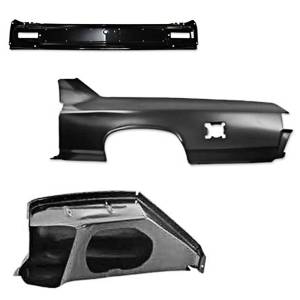
The 1964-1972 Chevelle platform presents unique challenges because each model year introduced subtle design changes that affect panel compatibility. Door skins vary between two-door and four-door models, quarter panels differ across hardtop, sedan, and wagon configurations, and El Camino bed components follow completely different specifications than passenger car applications. Understanding these distinctions prevents costly ordering errors and ensures proper fitment from the start.
Dynacorn Sheet Metal Excellence and Manufacturing Standards
Premium 1006 Automotive Grade Steel Construction
Dynacorn has established industry-leading standards for reproduction sheet metal through their commitment to using correct materials and manufacturing processes. Their components utilize 1006 Universal Grade automotive steel—the same specification GM engineers originally specified for Chevelle production. This material delivers optimal welding characteristics while resisting the brittleness and cracking common with inferior steel grades.
Modern stamping dies manufactured from original GM blueprints ensure reproduction panels match factory contours with precision measured in thousandths of an inch. This accuracy eliminates the fitment frustrations associated with offshore panels stamped from worn tooling or reverse-engineered from damaged originals. Proper die geometry translates directly to panels that align correctly with adjacent body sections, maintaining factory gaps and requiring minimal adjustment during installation.
USA vs. Offshore Manufacturing Quality Differences
Our sheet metal inventory includes both domestically manufactured and imported components, each serving specific needs within the restoration market. USA-made panels arrive bare metal without protective coatings, allowing immediate welding and metalworking without concerns about coating contamination or weld porosity. These panels feature sharper body lines, more accurate mounting hole placement, and superior edge finishing compared to economy imports.
Black-coated imported panels provide budget-conscious alternatives for less critical applications or project vehicles where absolute authenticity isn't paramount. While these components require coating removal before welding, they offer acceptable fitment for many installations. The protective coating prevents surface rust during shipping and storage, extending shelf life for parts awaiting installation.
Floor Pan Systems and Structural Components
Complete Floor Pan Assemblies vs. Partial Repair Sections
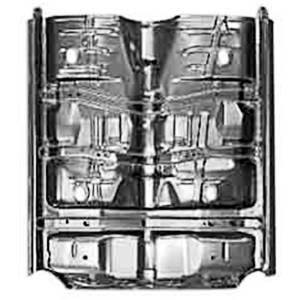
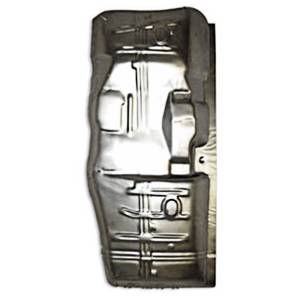
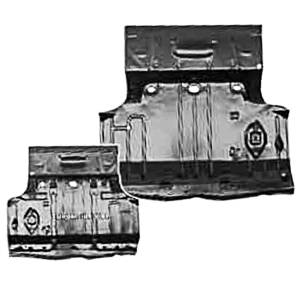
Floor pan replacement represents one of the most common major repairs in Chevelle restoration. Complete floor pan assemblies include all structural bracing, transmission tunnel formations, and seat mounting reinforcements in single-piece construction. These assemblies eliminate concerns about maintaining proper dimensional relationships between individual components while simplifying installation by reducing the number of welding operations required.
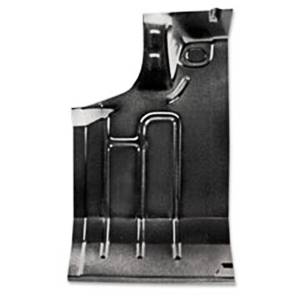
Partial floor pans and repair sections allow targeted fixes for localized rust damage without replacing entire floor structures. Common repair areas include toe board sections, transmission tunnel sides, and rear seat platforms. Proper installation requires careful measurement to maintain critical dimensions like wheelbase, door opening dimensions, and cowl-to-firewall relationships that affect overall body geometry.
Floor Pan Braces and Reinforcement Panels
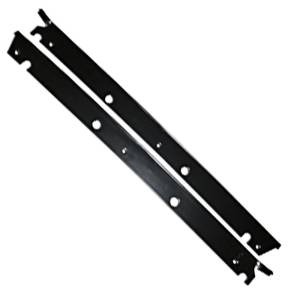
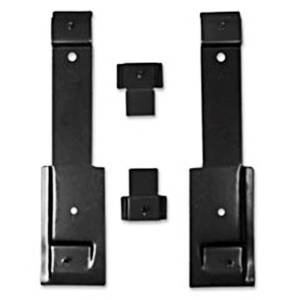
Structural braces beneath floor pans provide critical chassis rigidity that prevents body flex and maintains door alignment. These components frequently suffer rust damage because they trap moisture and road debris in enclosed channels. Replacement braces restore torsional stiffness essential for proper handling characteristics and preventing stress cracks around body mounting points.
Installation demands precise positioning because improperly located braces alter suspension geometry and affect steering response. Professional restorers use frame jigs or careful measurement from known reference points to ensure braces align correctly with front and rear subframe mounting locations.
Exterior Body Panel Replacement Solutions
Fenders and Fender Patch Panels
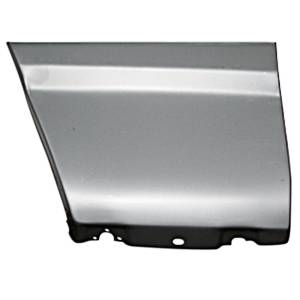
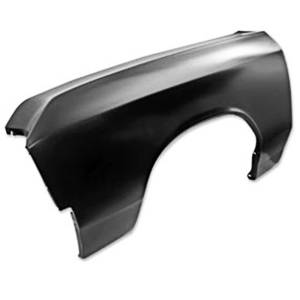
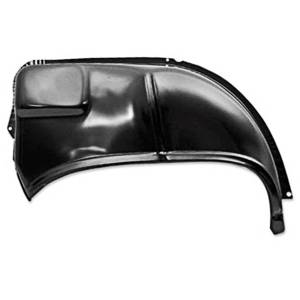
Chevelle fenders vary significantly across model years, with distinct differences in headlight openings, side marker light provisions, and mounting flange configurations. Complete fenders provide the most straightforward replacement option, arriving ready for installation with all mounting holes and reinforcement structures properly positioned. Premium fenders include inner fender panels and wheelhouse lips factory-welded in place.
Patch panels address common rust areas without requiring complete fender replacement. Lower rear corners, headlight buckets, and front mounting flanges represent typical repair zones. Quality patch panels include generous overlap areas that provide adequate welding surfaces while maintaining proper contours that blend invisibly with surrounding metal.
Quarter Panels and Rear Body Sections
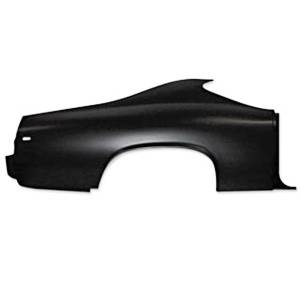
Quarter panel replacement ranks among the most labor-intensive body repairs because these panels integrate with rocker panels, wheel housings, trunk floor sections, and rear body panels. Full quarter panels extend from the door opening to the rear bumper mounting area, incorporating all necessary character lines and body contours. Proper installation requires supporting the entire body structure to prevent distortion during panel removal and welding.
Quarter skins provide alternatives for situations where inner structures remain sound but outer surfaces have deteriorated. These panels require carefully controlled welding techniques to prevent warpage while maintaining factory gap dimensions around trunk lids and doors. Professional installation typically demands experienced metal workers familiar with heat management and panel alignment procedures.
Door Components and Opening Perimeter Panels
Complete Door Assemblies vs. Door Skins
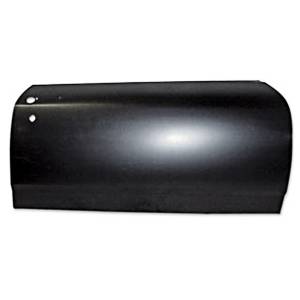
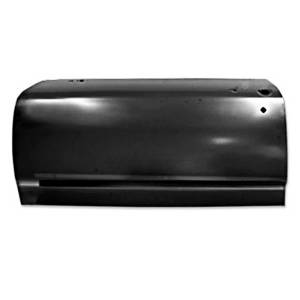
Complete door assemblies arrive with all structural components, window frames, and mounting provisions already assembled. These units save substantial labor compared to reconstructing doors from individual components while ensuring proper alignment of window mechanisms and latch hardware. Factory-style construction maintains correct door weight and balance characteristics essential for proper hinge operation.
Door skins allow repair of outer panel damage while retaining serviceable door frames and internal structures. Skin replacement demands precision welding around window openings and door edges to prevent distortion that causes window binding or seal leakage. Proper technique includes tack-welding at strategic points before final seam welding to control heat-related warpage.
Rocker Panels and Lower Body Protection
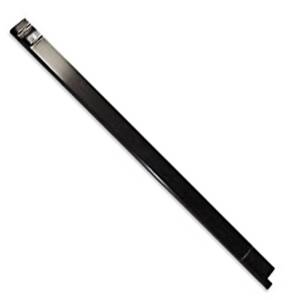
Rocker panels endure constant assault from road debris, winter salt, and moisture accumulation that accelerates corrosion. Replacement rockers restore structural integrity while providing fresh mounting surfaces for door hinges and weatherstripping. Inner and outer rocker panel sets work together to recreate factory box-section construction that contributes significantly to overall chassis rigidity.
Installation requires careful attention to positioning because rockers establish critical reference points for door alignment and body mounting. Professional installers verify door gaps before final welding and use alignment fixtures to maintain proper relationships with floor pans and quarter panels.
Trunk Components and Rear Cargo Area Panels
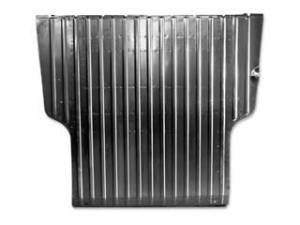
Trunk floor pans combine structural responsibility with cosmetic visibility, demanding both strength and appearance quality. Complete trunk floor assemblies include spare tire wells, fuel tank mounting depressions, and all necessary drain provisions. These comprehensive panels eliminate concerns about maintaining proper dimensional relationships between subcomponents.
Trunk lid alignment depends heavily on proper installation of surrounding body structures including taillight panels, back glass areas, and deck lid hinge mounting surfaces. Replacement panels must maintain factory-specified angles and mounting heights to allow trunk lids to close properly with correct gaps and minimal adjustment.
Installation Best Practices and Professional Techniques
Successful sheet metal installation extends beyond simply welding panels in place. Proper body preparation includes removing all rust, treating bare metal with quality primers, and applying weld-through coatings to seam areas that become inaccessible after assembly. Professional restorers use alignment fixtures and careful measurement to maintain critical dimensions throughout the repair process.
Welding technique dramatically affects final results—continuous welding creates excessive heat that warps panels, while properly spaced tack welds followed by stitch welding allows controlled heat dissipation. Panel bonding adhesives supplement traditional welding in some applications, providing additional sealing against moisture intrusion while reducing heat input to surrounding areas.
FAQs: Sheet Metal for Chevell Restoration
What's the difference between USA-made and imported Chevelle sheet metal panels?
USA-manufactured sheet metal panels, which arrive as bare metal without protective coatings, feature superior stamping accuracy with sharper body lines, more precise mounting hole locations, and better edge finishing. These panels use higher-quality steel that provides excellent welding characteristics and matches original GM specifications more closely. The bare metal surface allows immediate welding without coating removal. Imported panels arrive with black protective coatings and generally cost less, making them suitable for budget-conscious builds or less visible areas. While imported panels require coating removal before welding, they offer acceptable fitment for many applications. The protective coating prevents surface rust during shipping and storage. For show-quality restorations or critical structural areas, USA-made panels from manufacturers like Dynacorn deliver superior results. For driver-quality builds or areas requiring extensive modification anyway, imported panels can provide adequate solutions at lower cost.
Should I use complete floor pan assemblies or partial repair sections for my Chevelle?
The decision depends on the extent of damage and your budget. Complete floor pan assemblies make sense when rust has compromised large areas or when multiple adjacent sections need replacement. These one-piece units include all structural bracing, transmission tunnel formations, and seat mounting reinforcements pre-welded in correct positions. This eliminates concerns about maintaining proper dimensional relationships and reduces installation time. Complete assemblies ensure structural integrity because all components come from matched tooling. Partial repair sections work well when damage is localized to specific areas like toe boards, transmission tunnel sides, or rear seat platforms. These patches cost less and require removing less original metal, which some restorers prefer for authenticity. However, partial repairs demand careful measurement to maintain critical dimensions affecting wheelbase, door openings, and body alignment. For DIY restorers without frame jigs or extensive experience, complete assemblies often prove easier despite higher initial cost.
How do I know which quarter panel is correct for my specific Chevelle model and year?
Quarter panel selection depends on several factors including model year, body style, and whether you're working on a Chevelle, Malibu, or El Camino. Model years 1964-1967 use different panels than 1968-1972 models due to body redesigns. Two-door hardtops, two-door post sedans, four-door sedans, and wagons each require specific quarter panels with different window openings and body contours. El Caminos use unique quarter panels that integrate with bed structures. Additionally, some panels are specific to base models versus SS models with different body styling. When ordering, you'll need to identify your exact year, body style (hardtop, sedan, wagon, or El Camino), and whether it's a driver or passenger side. Check VIN information and compare existing panels to catalog descriptions. Our technical specialists can verify fitment if you provide your vehicle's details. Ordering the wrong panel results in significant return shipping costs and project delays, so verification before purchase is essential.
Can I install major sheet metal panels myself, or should I hire a professional?
The complexity of sheet metal installation varies dramatically based on which panels you're replacing. Simple bolt-on components like hoods and trunk lids suit DIY installation with basic tools and patience. Partial patch panels for small rust repairs are manageable for hobbyists with MIG welding skills and basic metalworking tools. However, major structural components like complete floor pans, quarter panels, or door frames demand professional expertise. These installations require maintaining critical dimensions that affect door alignment, window operation, and overall body geometry. Without proper fixtures, measurements, and welding techniques, DIY attempts often result in misaligned doors, poor panel gaps, and structural weakness. Quarter panel installation alone typically requires 40-60 hours of skilled labor. Professional body shops have frame jigs, spot welders, and experience that ensures proper fitment. If you're considering DIY installation of major panels, honestly assess your welding skills, available tools, and workspace. Many enthusiasts successfully handle minor patch work but outsource major panel replacement to professionals, which often costs less than correcting failed DIY attempts.
Why do Dynacorn sheet metal panels cost more than other reproduction brands?
Dynacorn panels command premium pricing because they deliver superior quality through better materials, more accurate tooling, and rigorous quality control. Dynacorn uses 1006 Universal Grade automotive steel—the same specification GM originally used—which provides optimal welding characteristics and long-term durability. Their stamping dies are manufactured from original GM blueprints rather than reverse-engineered from damaged examples, ensuring reproduction panels match factory contours precisely. This accuracy translates to better fitment with minimal adjustment during installation. Cheaper panels often use inferior steel that's difficult to weld cleanly, arrives from worn tooling with inaccurate body lines, or features improper gauge thickness. These quality differences become apparent during installation when budget panels require extensive fitting modifications, resulting in poor gaps, misalignment issues, and additional labor costs that exceed initial savings. Professional body shops often refuse to install cheap panels because fitment problems damage their reputation. For serious restorations, Dynacorn's premium pricing represents insurance against installation headaches and ensures panels that maintain value in finished vehicles.